
A TikTok video, amassing 14 million “heart” reactions, showcases a pair of hands adorned with azure acrylic nails deftly navigating a glittering array of self-defense tools. A rhinestone-studded pepper spray canister emits a vivid burnt-orange mist. A sleek lipstick tube conceals a taser. The caption boldly declares, “Self-defense tools every girl needs.” This isn’t merely a viral sensation it’s a window into a cultural shift. Personal safety devices, once utilitarian and overlooked, are now dazzling stars on social media, redefining how we approach security in a hyper-connected era.
How Social Media Is Driving the Personal Safety Device Boom
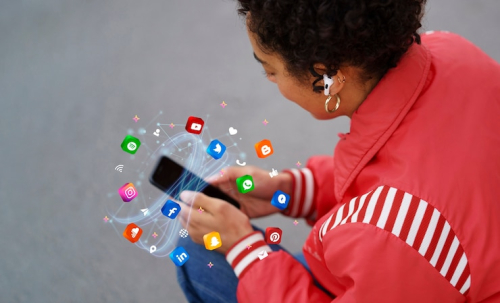
Social media platforms TikTok, Instagram, YouTube have transformed personal safety tools from functional necessities into coveted lifestyle accessories. Bedazzled pepper sprays, IoT-enabled wearables, and discreet personal alarms are gaining traction through viral hashtags and influencer endorsements. The data underscores this momentum: the global personal safety app market, valued at $0.86 billion in 2024, is projected to reach $0.98 billion in 2025 and climb to $2.74 billion by 2033, reflecting a robust 13.74% compound annual growth rate (CAGR). Similarly, the smart personal safety device market, encompassing wearables and connected gadgets, is expected to grow from $49,998.43 million in 2025 to $148,226.55 million by 2035, with an 11.5% CAGR. This surge is fueled by rising safety concerns, technological advancements, and social media’s unparalleled ability to shape consumer behavior.
The allure lies in the fusion of form and function. On platforms where visual appeal is paramount, safety devices are undergoing a stylish transformation. One report describes a self-defense keychain resembling a charm bracelet, adorned with a Kubotan stick designed to shatter windows. These aren’t the clunky alarms of yesteryear they’re chic, shareable, and engineered for virality. Beyond aesthetics, these tools offer practical features: real-time GPS tracking, instant panic alerts, and cloud-supported emergency systems. Such innovations resonate with younger, tech-savvy users, driving demand across urban and educational settings, where mobile safety platforms have seen a 32% uptick in adoption.
Yet, this isn’t just about flashy gadgets. The integration of AI, machine learning, and IoT has elevated these device’s reliability and functionality, as noted in a market analysis. From wearables that monitor vitals to apps that send emergency texts with a single tap, these tools are empowering users with unprecedented control over their safety. Government initiatives promoting personal security further bolster this trend, creating a fertile ground for innovation and adoption.
Influencers and Hashtags: Redefining Safety Advocacy
Navigate TikTok’s #SafetyTok or Instagram’s #SelfDefense, and you’ll encounter a deluge of videos demonstrating personal safety devices. Influencers often young women guide viewers through the use of pepper sprays or showcase the ease of activating a personal alarm. These aren’t mere product demos; they’re powerful trust-building exercises. A student sharing how a wearable tracker eased her anxiety during a late-night walk resonates deeply, far surpassing the impact of traditional advertising. The numbers reflect this shift: panic-response features in safety apps surged 36% in deployment, while wearable-integrated solutions grew 31%.
Viral challenges supercharge this phenomenon. A TikTok campaign featuring users unboxing safety gadgets or testing pepper spray range can garner millions of views in hours. Brands are capitalizing on this, collaborating with influencers to craft authentic, relatable content. One company reported a sales surge after a video of their rhinestone-encrusted personal alarm went viral, illustrating social media’s role as a digital megaphone. This growing awareness of wearable tech and real-time tracking systems is making safety devices more accessible, particularly as AI and IoT enhance their capabilities.
Social media’s democratizing effect is notable. Small businesses, once overshadowed by industry giants, now leverage organic content to reach niche audiences. A single viral post can catapult a startup’s pepper spray or personal alarm into the mainstream, leveling the playing field. This dynamic has fueled a projected market growth from $4,936.29 million in 2024 to $11,370.64 million by 2032 for smart safety devices, with an 11.0% CAGR, according to a market report.
Navigating the Risks of Viral Safety Trends
Yet, the social media frenzy has its downsides. The flood of safety content unboxing videos, tutorials, ads can overwhelm consumers, leading to decision fatigue. With options ranging from $20 keychain alarms to $200 smart wearables, choosing the right tool becomes daunting. More concerning is the spread of misinformation. A market analysis projects the smart safety device market to grow from $0.035 billion in 2024 to $0.07 billion by 2033, but hype can outpace reality. A stylish pepper spray with a weak stream or a noisy but ineffective alarm can leave users vulnerable, eroding trust.
Ethical concerns also loom large. Some brands exploit fear, using dramatic visuals and ominous soundtracks to market their products. This fearmongering can heighten anxiety rather than alleviate it, raising questions about responsible advertising. Legal ambiguities add another layer of complexity. Not all self-defense tools are universally legal stun guns, for instance, are banned in certain states yet social media posts rarely clarify these restrictions, risking consumer confusion or legal repercussions.
The market’s rapid growth, spurred by the COVID-19 pandemic’s demand spike, has intensified these challenges. While the pandemic normalized safety consciousness, it also flooded the market with unvetted products, some promoted more for their viral appeal than their efficacy. Brands must navigate this crowded landscape carefully, balancing visibility with accountability.
Seizing Opportunities in a Digital Marketplace
Despite these hurdles, social media offers unparalleled opportunities. Targeted advertising on platforms like Facebook and Instagram allows brands to reach specific demographics college students, night-shift workers, urban residents with precision. The integration of IoT, GPS, and Bluetooth in safety devices is driving adoption across diverse sectors, from individual users to law enforcement and healthcare. Small businesses are particularly well-positioned, using organic content to compete with larger brands and build loyal communities.
Engagement is a key driver. When brands respond to comments or share user stories, they foster trust that translates into sales. Positive influencer reviews serve as digital word-of-mouth, amplifying credibility. This dynamic has propelled the smart safety device market’s growth, with projections indicating a rise from $0.04 billion in 2025 to $0.07 billion by 2033. Social media’s role as a community-building tool is transforming safety into a collective conversation, not just a product category.
Charting a Responsible Path Forward
The future of personal safety devices lies in smarter, more seamless integration AI-driven risk alerts, wearables that blend into everyday life, and apps that anticipate user needs. But as these tools evolve, so must the strategies behind them. Brands must prioritize transparency, ensuring products are effective, legal, and clearly explained. Educational content tutorials on proper use, guides to local laws can counter misinformation and build consumer confidence.
Responsible marketing is equally critical. Avoiding fear-based tactics and focusing on empowerment can differentiate brands in a saturated market. As social media continues to shape perceptions, its role in fostering informed, safety-conscious communities will only grow. For now, the gleam of a rhinestone pepper spray or the chime of a GPS tracker captures both attention and aspiration. These tools, amplified by the platforms we scroll daily, remind us that safety is not just a product it’s a shared commitment, carried in our pockets and posted for the world to see.
Disclaimer: The above helpful resources content contains personal opinions and experiences. The information provided is for general knowledge and does not constitute professional advice.
You may also be interested in: Self Defense Products & Tools For Women | Stunner Safety
Walking alone shouldn’t feel like a risk you’re forced to take. Every day, thousands face potential threats without adequate protection. Stunner Safety‘s unique 3-in-1 self-defense lifeline is a stun gun, pepper spray, and flashlight combo in a lightweight design you’ll actually carry. Don’t just hope for safety carry it. Grab your Stunner Safety today!
Powered by flareAI.co
Leave a Reply