
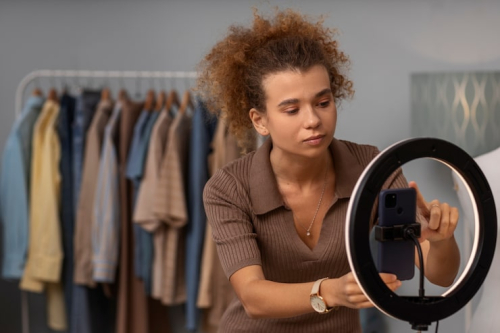
Imagine scrolling through your feed late at night, only to stumble upon a gripping video: a young woman, alone on a dimly lit street, pulls out a compact stun gun and demonstrates its use with calm precision. Millions watch, like, and share. Suddenly, self-defense isn’t just a precaution it’s a trend. This scene captures the essence of how social media influencers are transforming the personal safety landscape, driving unprecedented demand for products like pepper sprays and tactical tools.
Walking alone shouldn’t feel like a risk you’re forced to take. Every day, thousands face potential threats without adequate protection. Stunner Safety‘s unique 3-in-1 self-defense lifeline is a stun gun, pepper spray, and flashlight combo in a lightweight design you’ll actually carry. Don’t just hope for safety carry it. Grab your Stunner Safety today!
Safety in the Spotlight
The self-defense products market is experiencing robust growth, fueled by a confluence of societal shifts and digital amplification. Recent analyses highlight this expansion vividly. For instance, one comprehensive report estimates the global market at USD 3.03 billion in 2024, with projections reaching USD 3.22 billion in 2025 and climbing to USD 4.42 billion by 2030, reflecting a compound annual growth rate of 6.5% from 2025 onward. Key factors include escalating personal safety concerns, especially among women and vulnerable populations, alongside rising crime rates and technological innovations that make these tools more accessible.
Another assessment pegs the market value at USD 2.17 billion for 2024, anticipating a rise to USD 2.24 billion in 2025 and exceeding USD 2.9 billion by 2033, with a steady CAGR of 3.3%. Here, the emphasis falls on urban crime spikes and policy changes that bolster consumer confidence in non-lethal options. A third perspective notes the market stood at $3.34 billion last year, set to hit $3.63 billion this year at an 8.6% CAGR, eventually reaching $4.97 billion by 2029 with an 8.2% growth rate. Drivers such as e-commerce adoption and geopolitical tensions underscore this momentum.
Amid these figures, social media influencers emerge as pivotal players. Platforms like TikTok and Instagram have turned self-defense into a viral dialogue, where influencers unpack products in relatable narratives. They don’t merely promote; they educate and empower, often linking directly to purchases. For brands in the less-lethal sector, this visibility is transformative, aligning with a broader cultural push toward proactive security.
The Surge of Digital Safety Advocacy
The #EDC movement everyday carry has exploded online, amassing billions of views. Influencers curate content around essential items: a sleek folding knife for utility, tactical gloves for grip and protection, or a discreet pepper spray keychain. Micro-influencers, with their dedicated niches, excel here, offering authentic insights that resonate deeply. Their short videos simulate real threats a late-night walk or a solo trip showing how these tools integrate seamlessly into daily routines.
Engagement soars when content feels urgent and personal. A quick clip on stun gun deployment can spark thousands of interactions, with viewers commenting on their own needs. Some collaborations yield exclusive products, like customized safety kits blending functionality with style, appealing to aesthetics-driven audiences. This fusion of practicality and trendiness propels sales, as followers see self-defense not as paranoia but as smart living.
Yet, the influence extends beyond hype. Influencers often highlight demographic-specific needs, such as tools for women travelers 51% of global solo adventurers in 2023 were female, per market insights. Portable, tech-enhanced devices with GPS features represent 42% of new launches last year, signaling a shift toward smarter safeguards.
Viral Moments and Tangible Results
Real impact shines through specific instances. On TikTok, videos warning against low-quality dropshipped self-defense items, like knives that demand close-quarters combat, have garnered thousands of views and likes. One post urged followers to avoid shady shops, emphasizing quality over convenience, and received nearly 300 likes while sparking discussions on effective alternatives.
Promotions fare even better. A reminder to check out Tiny Protectors, a store specializing in women’s self-defense gear, spread widely with over 300 likes and 79 reposts, highlighting preparedness in uncertain times. Similarly, endorsements of SABRE pepper sprays, complete with usage tutorials, encourage viewers to equip themselves, tying into broader safety conversations.
Gun-related influencer content offers parallels, with “gunfluencers” on Instagram linking products to ideologies, boosting engagement and sales through curated narratives. Systematic studies of gun ads on social media reveal how manufacturers amplify reach, often outpacing organic posts. For non-lethal brands, similar strategies build trust: an influencer demonstrating a combination device’s ease can sway first-timers, turning skepticism into conversions.
Critiques abound too. Posts decry TikTok-trending gadgets as “useless self-defense items,” amassing over 1,100 likes by pointing out their impracticality. These discussions underscore the need for credible endorsements, where influencers act as educators rather than mere sellers.
Hurdles in the Influencer Arena
Navigating this space demands caution. Platforms enforce stringent policies on weapon-like promotions, risking content removal or account bans for stun guns or sprays. Missteps in demonstrations say, improper pepper spray handling can spread misinformation, endangering users. Audiences, savvy to sponsored content, often question authenticity, especially when posts scream “paid promotion.”
Regulatory compliance adds layers. Brands must ensure marketing aligns with safety laws, avoiding exaggerated claims that could invite scrutiny. Studies on influencer ethics highlight risks like diminished well-being from idealized portrayals, urging transparency. In the UK, advertising watchdogs have ruled on malpractice, analyzing influencer rulings for the first time. For self-defense firms, this means vetting partners rigorously to maintain credibility.
Consumer data reinforces these challenges: 72% of young women in urban U.S. settings now carry self-defense items, per Justice Department stats, but misinformation could undermine this trend. Balancing virality with responsibility is crucial.
Capitalizing on the Momentum
Opportunities abound for savvy brands. Influencers pinpoint high-intent groups students, drivers, travelers with tailored content. Partnerships with safety experts enhance legitimacy, as seen in collaborative videos on proper tool use.
User-generated content proves cost-effective, repurposed across channels for maximum reach. International expansion thrives via multilingual campaigns, tapping regions like Asia Pacific, projected to grow at 7.0% CAGR. North America’s 38% market share underscores mature digital ecosystems.
Case studies illustrate success: Influencer-driven fashion relatability boosts purchase intent, applicable to safety gear. Brands leveraging this see spikes, especially with tech integrations like Bluetooth-enabled devices.
As e-commerce grows, influencers bridge awareness to action, vital in a market eyeing nearly $5 billion by decade’s end.
Vision for Tomorrow
Experts foresee deeper integration of education and entertainment “safetytainment” on social platforms. VR and AR could revolutionize demos, allowing immersive training with virtual stun guns or scenarios.
Influencers might embed in corporate programs, leading ambassador networks for workshops. Research on their persuasive power suggests enhanced brand credibility and intent when content aligns with follower values. With North America leading and Asia accelerating, global reach expands.
Statistics paint optimism: Folding knives dominate at 71.7% share, pepper sprays grow at 6.3% CAGR. Youth awareness and multi-functional demands drive innovation.
The Echo of Digital Influence
In dissecting Influencer Marketing Fuels Demand for Self-Defense Products in a Safety-Conscious Era, it’s evident that social media voices amplify not just products but empowerment. They shape attitudes, turning fears into fortified resolve. For entities like Stunner Safety, authentic alliances yield dividends. Ultimately, in this connected world, an influencer’s endorsement wields power akin to the tools they tout precise, potent, and profoundly impactful.
Frequently Asked Questions
How are social media influencers driving the growth of the self-defense products market?
Social media influencers are transforming self-defense products from basic safety tools into trending lifestyle items through platforms like TikTok and Instagram. They create engaging content that educates viewers about products like pepper sprays, stun guns, and tactical tools while demonstrating their real-world applications. This viral approach has helped fuel market growth, with the global self-defense products market projected to reach $4.42-4.97 billion by 2029-2030, driven partly by influencer-generated awareness and the popular #EDC (everyday carry) movement.
What challenges do influencers face when promoting self-defense products on social media?
Influencers promoting self-defense products must navigate strict platform policies that can result in content removal or account bans for weapon-like items. They also risk spreading misinformation through improper product demonstrations, which could endanger users. Additionally, regulatory compliance is crucial as brands must ensure marketing aligns with safety laws and avoid exaggerated claims, while maintaining authenticity to avoid skeptical audiences who can easily identify overly promotional content.
Which self-defense products are most popular among influencers and their followers?
Folding knives dominate the market with a 71.7% share, while pepper sprays are experiencing rapid growth at a 6.3% compound annual growth rate. Influencers particularly promote portable, tech-enhanced devices with GPS features, which represented 42% of new product launches recently. The content often targets specific demographics, with 72% of young women in urban U.S. settings now carrying self-defense items, making products like pepper spray keychains, tactical gloves, and compact stun guns especially popular in influencer campaigns.
Disclaimer: The above helpful resources content contains personal opinions and experiences. The information provided is for general knowledge and does not constitute professional advice.
You may also be interested in: Best Stun Gun and Pepper Spray Combo for Self-Defense
Walking alone shouldn’t feel like a risk you’re forced to take. Every day, thousands face potential threats without adequate protection. Stunner Safety‘s unique 3-in-1 self-defense lifeline is a stun gun, pepper spray, and flashlight combo in a lightweight design you’ll actually carry. Don’t just hope for safety carry it. Grab your Stunner Safety today!
Powered by flareAI.co
Leave a Reply